Korean Ground Beef Bowls (One-Skillet Meal Prep, 44g Protein)
It's Sunday, 5 p.m. There's a pack of ground beef in the fridge, the week starts tomorrow, and the idea of cooking five separate things for Monday's lunch is enough to make you give up and order in.
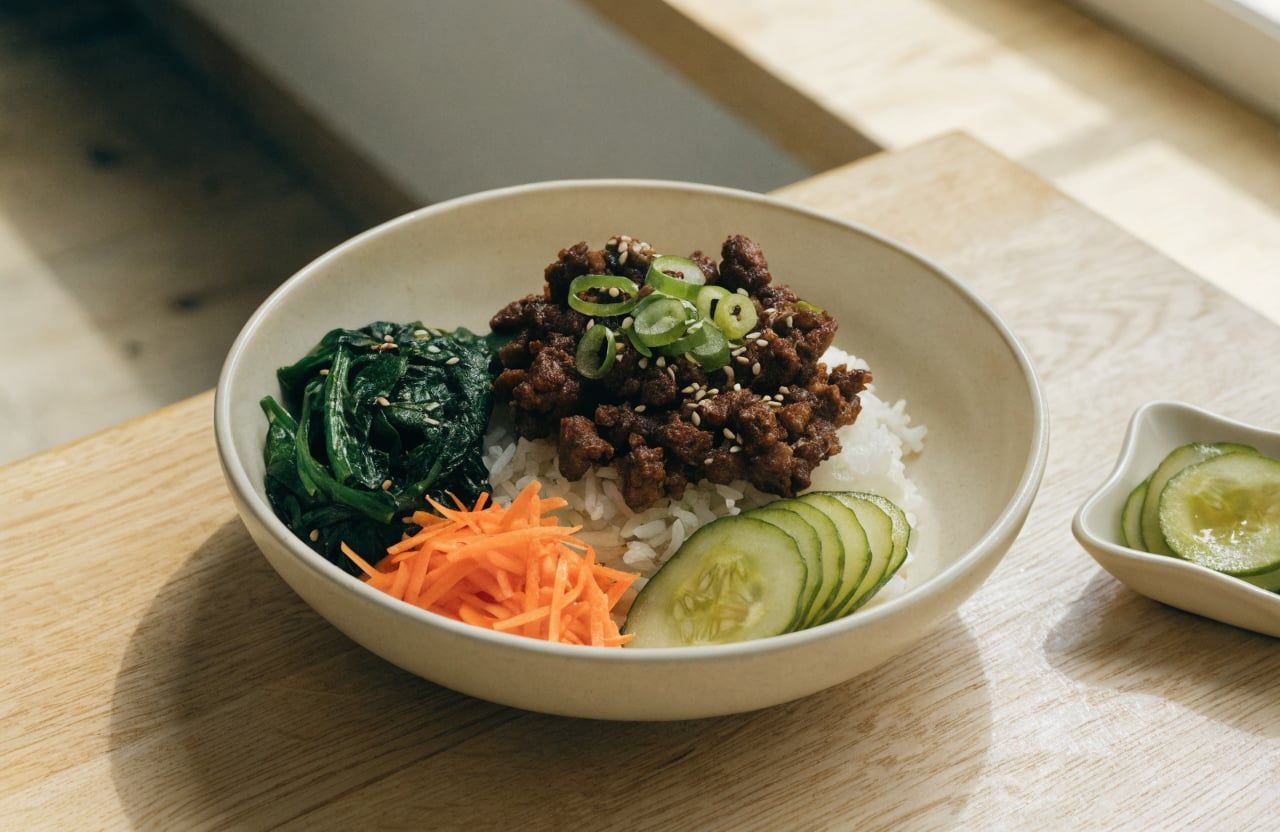
These bowls need one skillet and one pot. Lean beef browns until crusty, then picks up a sticky glaze of soy sauce, brown sugar, garlic and ginger, the same flavors as a bulgogi marinade. It goes over rice with garlicky sesame spinach, shredded carrots and quick-pickled cucumbers. Each container has 44 grams of protein and about 550 calories.
The skillet part takes about 15 minutes, and it all happens while the rice cooks. So start the rice first.
Why it works
Six ounces of beef in every container
Each container gets 6 ounces of raw 93% lean ground beef, about 36 grams of protein on its own. Rice, spinach and soy sauce bring the total to 44. Lean beef also matters for the glaze: with little fat in the pan, the sauce coats the meat instead of floating on a layer of grease.
Everything fits inside the rice timer
Rice needs about 25 minutes of simmering and resting, and it doesn't need you. In that window the spinach wilts in the dry skillet, the beef browns in the same pan, and the premixed sauce goes in all at once. One skillet, one saucepan, one small bowl to wash.
Sweet, salty and sharp
Brown sugar and soy reduce into a glaze that clings to the browned edges of the beef. The garlic and ginger go in late, so they stay bright instead of bitter, and the sesame oil goes in off the heat, where it keeps its toasted smell. Vinegary cucumbers cut through all of it.
Nutrition per serving
- Calories
- 546 kcal
- Protein
- 44 g
- Carbs
- 55 g
- Fat
- 16 g
- Fiber
- 4.3 g
Nutrition calculated from USDA FoodData Central
Recipe
Korean Ground Beef Bowls (One-Skillet Meal Prep, 44g Protein)
Protein in this batch: 176 g
Equipment
- 12-inch skillet
- Medium saucepan with lid
- Instant-read thermometer
- Fine-mesh strainer
- 4 meal prep containers (about 28 oz each)
- 4 small lidded cups
Ingredients
93% lean browns well and leaves almost nothing to drain, so the glaze sticks. 90% works if you spoon off the fat before adding the sauce. 85% or fattier makes the rice greasy once it's reheated.
Use low-sodium: the sauce reduces, so regular soy sauce ends up too salty. For a gluten-free bowl, use tamari in the same amount.
Jasmine rice is the best match for this bowl: fragrant and slightly soft. Short-grain rice works too, but add 2 extra tablespoons of water and expect it to clump more after a night in the fridge.
Instructions
Start the rice
Rinse the rice in a fine-mesh strainer under cold water until the water runs almost clear. Add it to the saucepan with the 1 1/2 cups of water and 1/4 teaspoon of the salt and bring it to a boil. Cover, turn the heat to the lowest setting and cook 15 minutes, then leave it covered, off the heat, for 10 minutes.
Pickle the cucumbers and mix the sauce
Toss the cucumber slices with the rice vinegar and 1/4 teaspoon of salt in a bowl and set them aside; by the time you pack, they'll be slightly softened and translucent at the edges. In a small bowl, whisk the soy sauce, brown sugar and red pepper flakes until the sugar dissolves and the sauce looks dark and glossy.
Wilt the spinach
Heat the dry skillet over medium-high heat. Add the spinach by big handfuls with 2 tablespoons of water and turn it with tongs for 1 to 2 minutes, just until it collapses and turns deep green. Tip it into the strainer, press out the liquid with a spoon, then toss it with 1 teaspoon of sesame oil and the last pinch of salt. Wipe the skillet dry.
Brown the beef
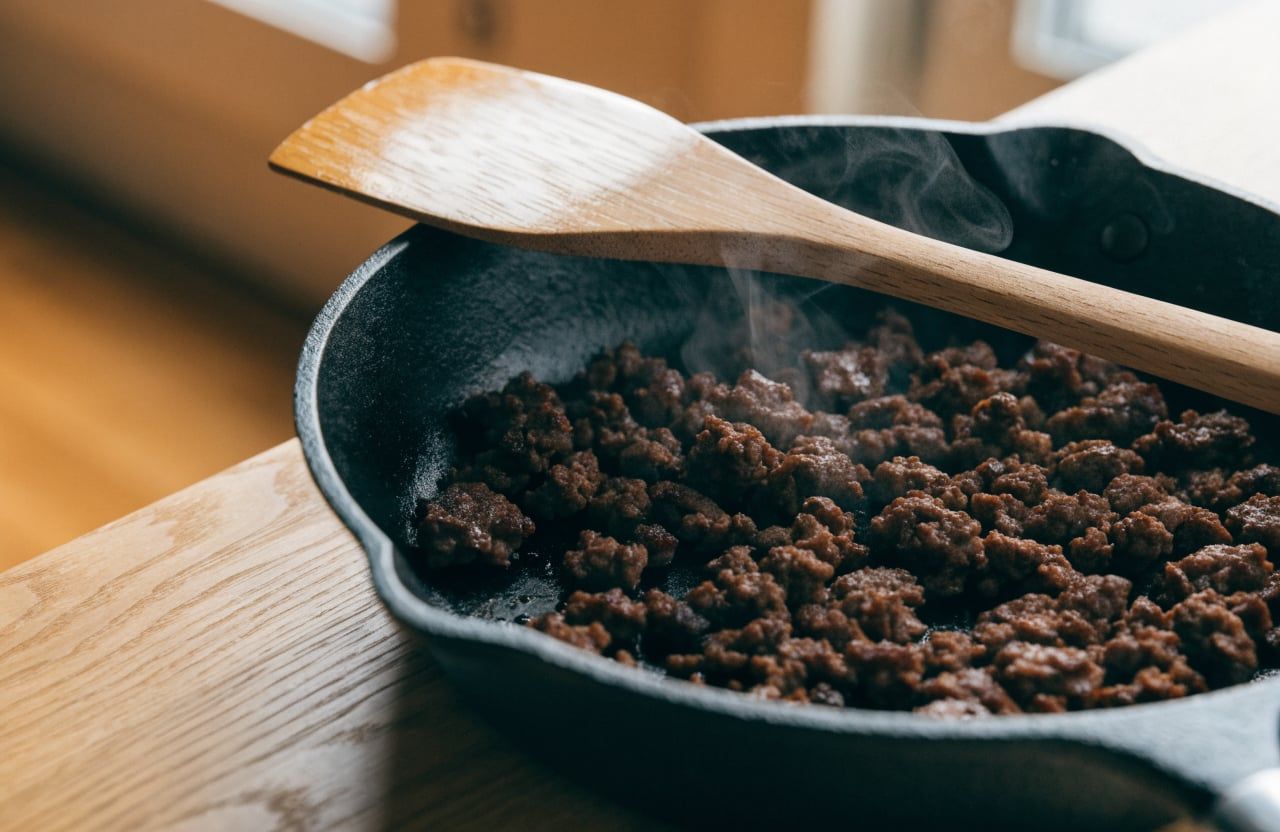
Return the skillet to medium-high heat, add the beef and press it into an even layer. Leave it alone for 3 to 4 minutes, until the underside is deep brown. Break it into small crumbles and cook 3 to 4 minutes more, until no pink remains and a thermometer reads 160°F (71°C) in a thick clump. Spoon off any pooled fat.
Add the aromatics and glaze
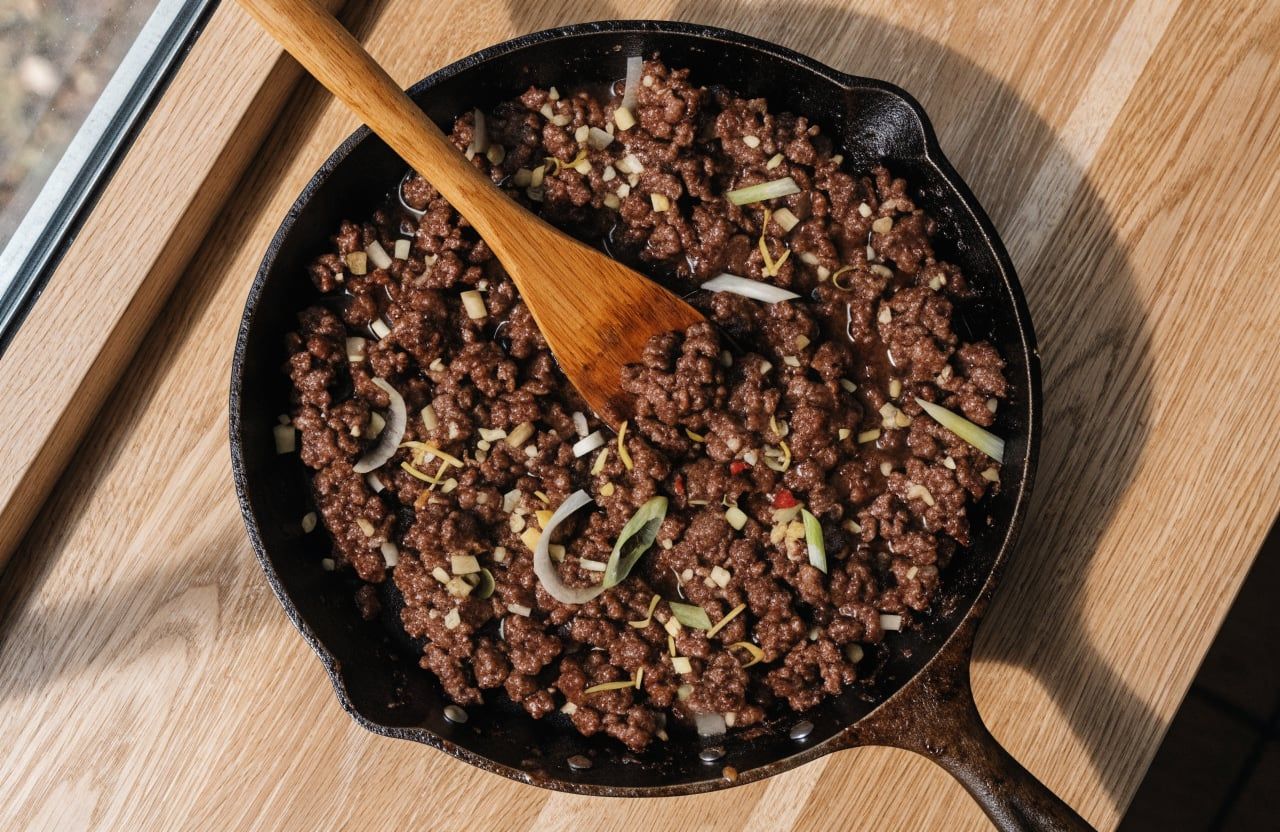
Push the beef to the edges of the pan. Add the garlic, ginger and green onion whites to the center and stir for 30 to 60 seconds, until fragrant but not browned. Pour in the sauce and stir everything together. Simmer 2 to 3 minutes, until the liquid cooks down into a sticky glaze and no puddle remains. Off the heat, stir in the remaining sesame oil.
Pack the containers
Fluff the rice and let the rice and beef cool until they stop steaming, no more than 30 minutes. Divide the rice among four containers, about 3/4 cup each, and add the beef, spinach and carrots side by side. Scatter the green onion greens and sesame seeds over the beef. Drain the cucumbers and pack them in the small lidded cups.
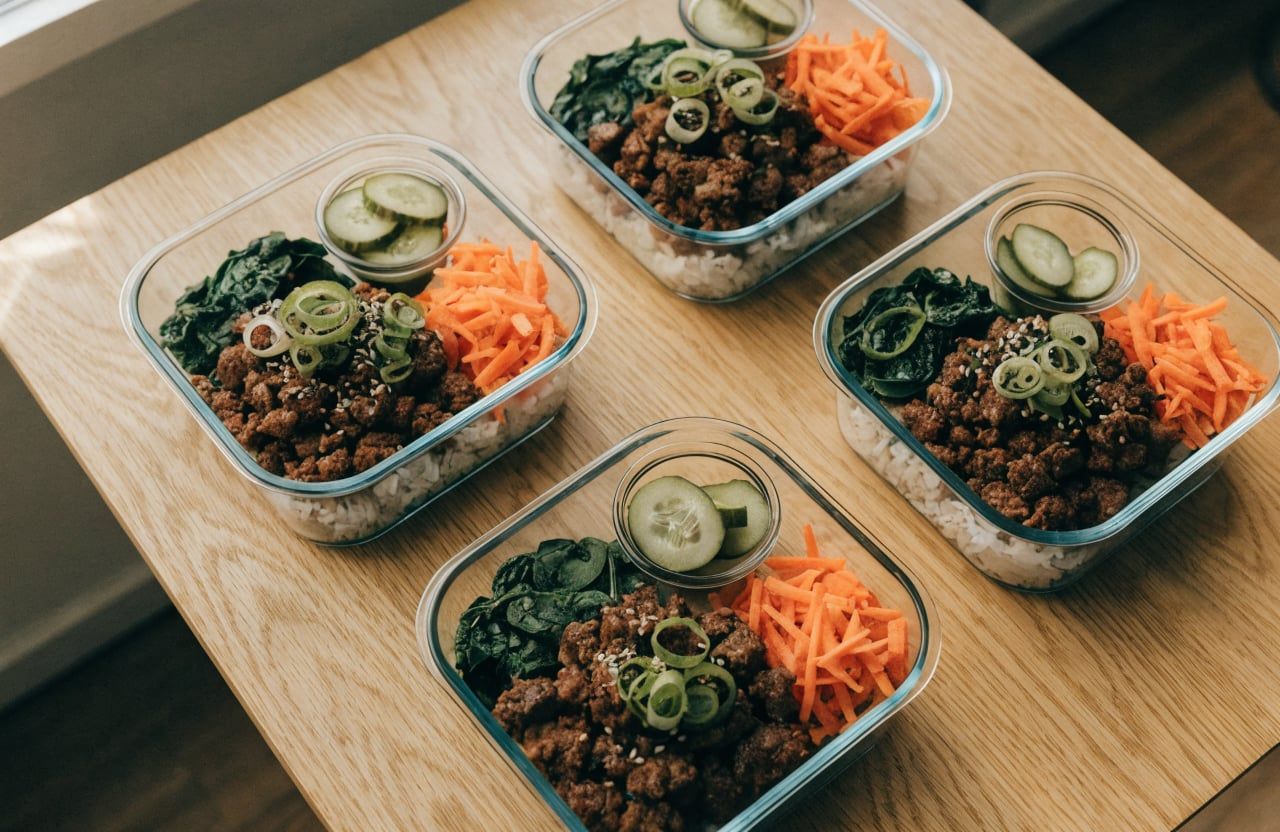
Per serving: 546 kcal · 44 g protein · 55 g carbs · 16 g fat · 4.3 g fiber. Nutrition calculated from USDA FoodData Central.
Mistakes to avoid
Pouring the sauce onto raw beef
If the soy mixture goes in before the beef browns, the meat simmers in liquid, turns gray and never gets its crust. Worse, the sugar sits in the pan long enough to scorch. Brown the beef completely first. The sauce is the last thing to go in, and it only needs a few minutes.
Burning the garlic and ginger
Minced garlic and grated ginger scorch in under a minute on a hot skillet, and burnt garlic makes the whole batch bitter. Add them only after the beef is cooked, in the cleared center of the pan, and pour in the sauce as soon as they smell fragrant. If they start to brown, lower the heat.
Stopping while the glaze is still wet
A thin, watery sauce looks fine on Sunday and soaks into the rice by Tuesday, turning it mushy. Keep simmering until the liquid has almost disappeared and what's left clings to the crumbles. When you drag a spoon across the pan, the bottom should stay clear for a second.
Packing the cucumbers in with the rice
The pickled cucumbers keep releasing vinegar, and in a closed container that brine runs straight into the rice. They also turn limp and warm in the microwave. Keep them in their own small cup and add them after reheating, so every bite still has a cold, crunchy contrast.
Variations
Korean ground turkey bowls
Use 1 1/2 lb (680 g) of 93% lean ground turkey. It browns more slowly and tastes milder, so let it sit an extra minute before breaking it up, and add an extra 1/2 teaspoon of grated ginger. Turkey must reach 165°F (74°C) before the sauce goes in (about 40 g protein, 543 kcal).
Jammy egg bowls
Boil 4 large eggs for 7 minutes, chill them in ice water, peel and halve them, and add one egg to each container. To keep the calories in range, cut the rice to 3/4 cup (140 g) dry. The runny-set yolk mixes into the glaze like a second sauce (about 49 g protein, 577 kcal).
Lettuce wrap version
Skip the rice and pack 2 heads of butter lettuce (about 300 g), washed and dried, in a separate bag. Spoon the warm beef into the leaves with spinach, carrots and cucumbers and eat it with your hands. It becomes a lighter, low-carb lunch (about 42 g protein, 387 kcal).
Storage
- Fridge
- Keep the containers sealed in the fridge for up to 4 days, with the cucumbers in their own cups. Everything should go into the fridge within 2 hours of cooking.
- Freezer
- Freeze the rice and beef together for up to 3 months. The spinach turns watery and the cucumbers don't freeze, so pack those fresh or leave them out. Thaw overnight in the fridge.
- Reheat
- Sprinkle a teaspoon of water over the rice, cover loosely and microwave for 2 minutes, stirring halfway, until everything is steaming hot. Add the cold cucumbers after reheating.
FAQ
What is Korean ground beef made of?
Korean ground beef is ground beef browned and glazed with a sauce of soy sauce, brown sugar, garlic, ginger and sesame oil, finished with green onions and sesame seeds. It borrows the flavors of bulgogi marinade. This version uses 93% lean beef and low-sodium soy sauce, with a little red pepper flakes for warmth.
Is Korean ground beef the same as bulgogi?
No. Bulgogi is thinly sliced beef, usually ribeye or sirloin, marinated for hours and grilled or seared. Korean ground beef uses the same sweet-salty flavors but swaps the sliced steak for ground beef and skips the marinating time, so it's ready in about 15 minutes. Think of it as a weeknight shortcut, not a substitute.
How long does Korean ground beef last in the fridge?
Up to 4 days in sealed containers, as long as it went into the fridge within 2 hours of cooking. The rice and beef set the limit. If you want to eat a bowl on day five or later, freeze that container on Sunday and move it to the fridge the night before.
Is Korean ground beef spicy?
Only mildly. The 1/2 teaspoon of red pepper flakes adds gentle warmth, and the brown sugar balances it. For more heat, whisk 1 to 2 teaspoons of gochujang into the sauce, which adds a few calories per bowl and a deeper, fermented chili flavor. For no heat at all, leave the pepper flakes out.
Can you freeze Korean beef bowls?
Yes, the cooked beef and rice freeze well together for up to 3 months. Leave out the spinach, carrots and cucumbers, which turn watery after thawing, and add them fresh when you eat. Thaw the container overnight in the fridge and reheat until steaming hot all the way through.