Cottage Cheese Egg Bites (Starbucks Copycat, 36g Protein)
It's 7:50 a.m. and you're in the drive-thru line again for two egg bites. They're soft, warm and gone in four bites, and by mid-morning you're looking for something else to eat.
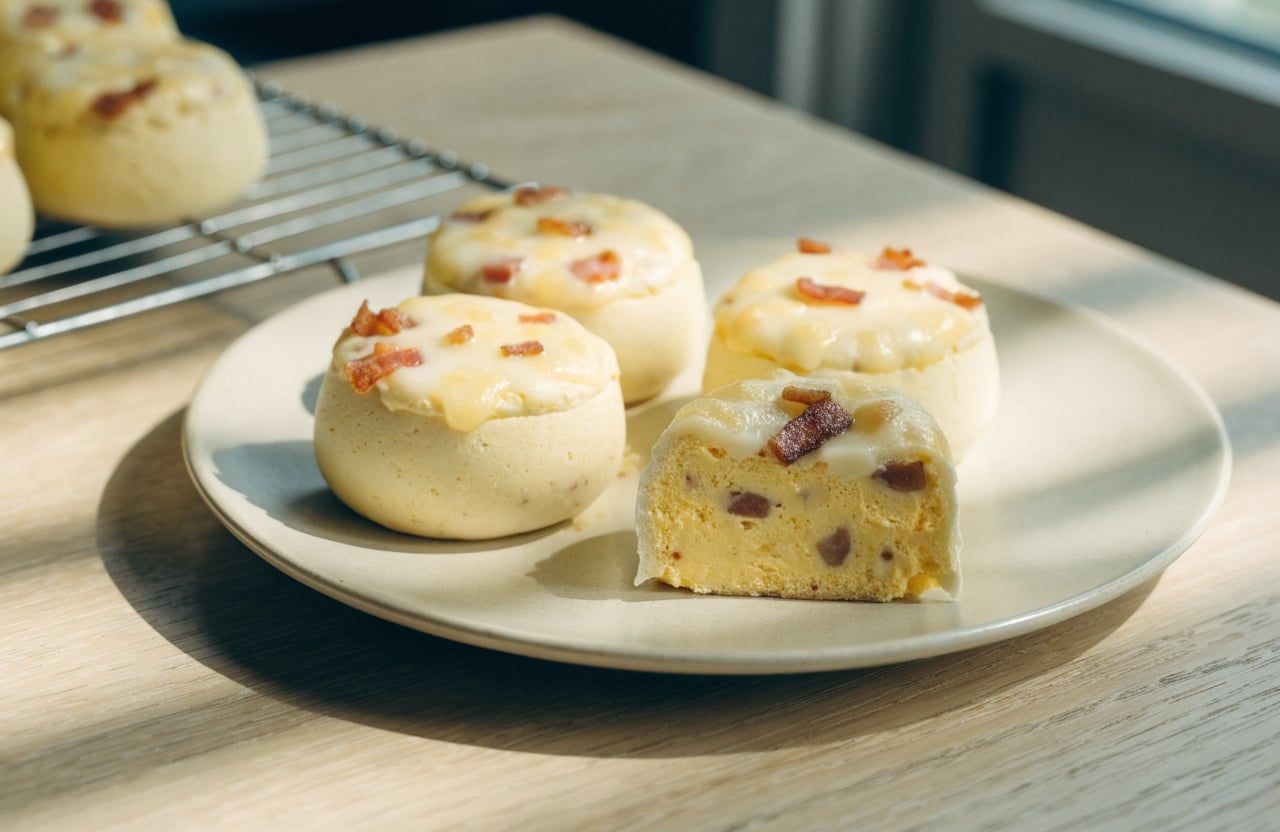
These are the same idea, made at home and scaled up. Eggs, egg whites and cottage cheese blended smooth, bacon and Gruyère folded in, baked low and slow with steam so they come out velvety instead of spongy. One pan makes 12, and four bites give you 36 grams of protein for about 350 calories.
You'll spend fifteen minutes on a Sunday and have breakfast covered for three mornings. Here's how to get the coffee-shop texture without a sous vide machine.
Why it works
Three kinds of protein in one bite
Whole eggs, egg whites and 1% cottage cheese each bring about 11 to 13 grams of protein per 100 grams, and Gruyère and bacon add more on top. The egg whites raise the protein without adding fat, so four bites reach 36 grams while staying around 350 calories.
One pan, a week of breakfasts
The blender does all the mixing and the oven bakes 12 at once. They reheat in 30 seconds and hold for four days in the fridge or two months in the freezer, so fifteen minutes of work on Sunday replaces three drive-thru stops.
Steam makes them velvety
Blended cottage cheese melts into the eggs and gives them a dense, custardy body. Baking at a gentle 300°F with a pan of hot water below keeps the air humid, so the eggs set slowly and evenly instead of puffing, squeezing out water and turning rubbery.
Nutrition per serving
- Calories
- 354 kcal
- Protein
- 36 g
- Carbs
- 3 g
- Fat
- 21 g
- Fiber
- 0 g
Nutrition calculated from USDA FoodData Central
Recipe
Cottage Cheese Egg Bites (Starbucks Copycat, 36g Protein)
Protein in this batch: 108 g
Equipment
- Blender
- 12-cup silicone muffin pan or standard metal muffin pan
- Baking sheet (for a silicone pan)
- Baking dish or loaf pan for water
- Skillet
- Instant-read thermometer
Ingredients
Carton egg whites are easiest. You can use the whites of 4 large eggs instead, about the same weight.
Small-curd 1% or 2%. Drain any liquid pooled on top of the tub first, or the bites can weep water after baking.
Shred it yourself from a block. Monterey Jack or Swiss work if you can't find Gruyère, with nearly identical macros.
Instructions
Set up the oven with steam
Place one rack in the center of the oven and another below it. Set a baking dish or loaf pan on the lower rack and heat the oven to 300°F (150°C). Grease all 12 cups of the muffin pan generously with cooking spray. If it's silicone, set it on a baking sheet so it doesn't buckle when you move it.
Cook the bacon
Cook the bacon in a skillet over medium heat for 8 to 10 minutes, turning once, until it's deep brown and crisp all the way through, with no soft white fat left. Drain it on paper towels, then chop it into small pieces. Crisp bacon stays crisp inside the eggs; soft bacon turns chewy.
Blend the batter smooth
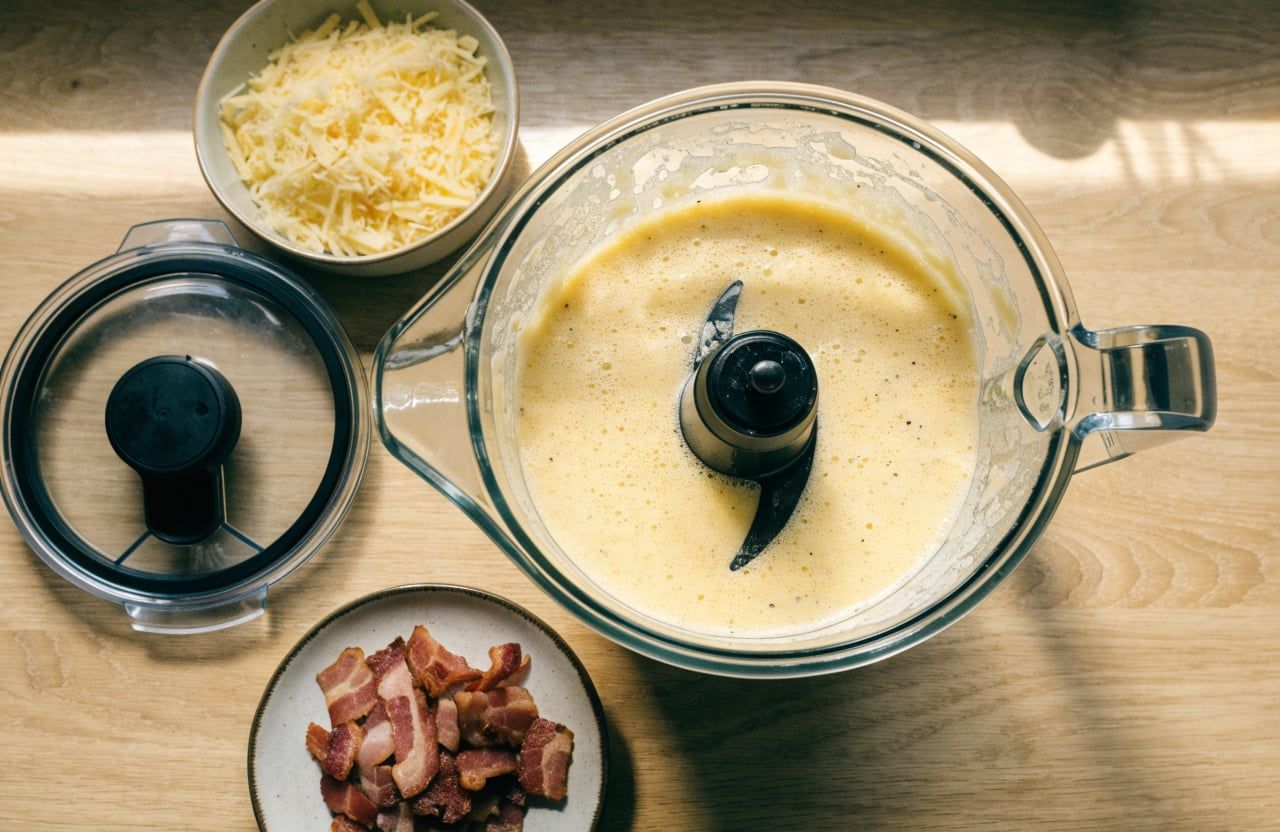
Add the eggs, egg whites, cottage cheese, half of the Gruyère, the salt and the pepper to a blender. Blend on high for 30 to 45 seconds, until no curds are visible and the batter is smooth, pale yellow and slightly frothy on top. Let it sit one minute so the biggest bubbles rise and pop.
Fill the cups
Divide the bacon among the 12 cups. Pour the batter over it, about 1/4 cup per cup, filling each one about two-thirds full. Sprinkle the remaining Gruyère on top. Now fill the dish on the lower rack with about 1 inch (2.5 cm) of boiling water and slide the muffin pan onto the center rack.

Bake low until just set
Bake for 25 to 30 minutes. They're done when they've puffed slightly, the centers are set and don't jiggle when you tap the pan, the tops are matte and pale with no browning, and a thermometer in the center of one reads 160°F (71°C). If the tops start to brown, the oven runs hot.
Rest, then release
Let the egg bites cool in the pan for 5 minutes. They'll settle slightly and pull away from the sides, which is normal. Run a thin silicone spatula around each one and pop it out. Serve four per person while warm, or cool them completely on a rack before storing.
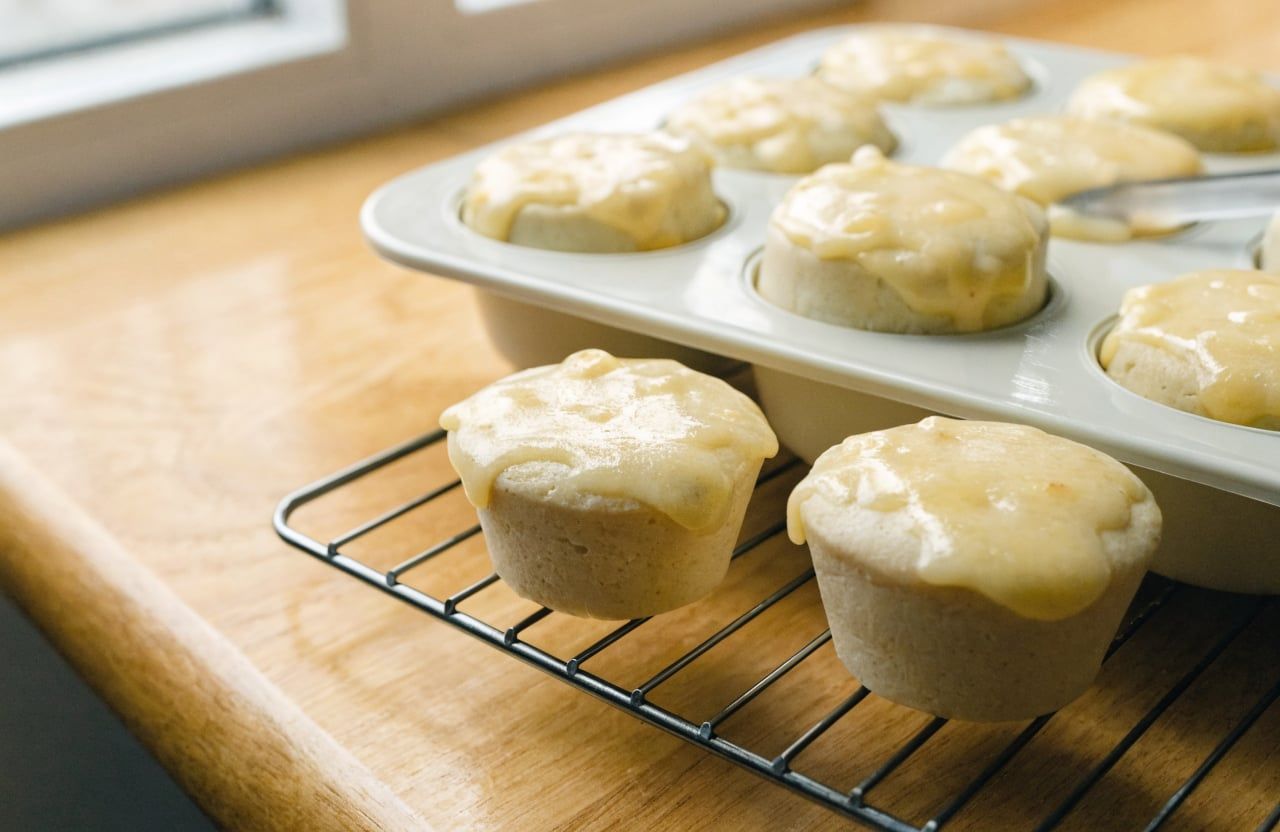
Per serving: 354 kcal · 36 g protein · 3 g carbs · 21 g fat · 0 g fiber. Nutrition calculated from USDA FoodData Central.
Mistakes to avoid
Baking them too hot
At 350°F or higher, egg bites balloon up, then collapse into spongy, rubbery pucks with a puddle of water underneath. Eggs need low, gentle heat for a custardy texture. Keep the oven at 300°F and trust the thermometer, not the color of the tops.
Skipping the water
The pan of hot water turns a dry oven into a humid one, which is how you get close to the sous vide texture without the machine. Without it, the outside of each bite sets and dries before the center cooks, and you end up with a chewy skin.
Not blending long enough
If you pulse the blender a few times, curds of cottage cheese stay whole and bake into white, grainy specks. Run it on high for at least 30 seconds, until the batter looks completely smooth. A stick blender in a tall container works if you give it a full minute.
Underestimating how much they stick
Eggs bond to metal like glue. A light mist of spray isn't enough in a metal pan, so coat every cup thoroughly, including the sides, or use silicone liners. A silicone muffin pan is the easiest route: the bites pop out cleanly every time.
Variations
Egg white and roasted red pepper
Replace the whole eggs and egg whites with 1 3/4 cups (425 g) of liquid egg whites, swap the bacon for 1/2 cup (75 g) of chopped jarred roasted red peppers, patted dry, and a handful of chopped spinach, and use Monterey Jack instead of Gruyère. Lighter and still well over the line (about 30 g protein, 204 kcal).
Ham and cheddar
Swap the bacon for 3 ounces (85 g) of diced lean deli ham and the Gruyère for sharp cheddar. There's no skillet step, which cuts the cook time to the 30 minutes in the oven. The flavor is sharper and saltier, and the macros barely move (about 36 g protein, 325 kcal).
Spinach and mushroom
Leave out the bacon. Sauté 1 cup (70 g) of chopped white mushrooms until their liquid cooks off, add a handful (30 g) of spinach until wilted, then divide the vegetables among the cups. Cooking the water out first keeps the bites from weeping (about 33 g protein, 303 kcal).
Storage
- Fridge
- Cool completely, then store in an airtight container lined with a paper towel for up to 4 days. The towel absorbs any moisture the bites release.
- Freezer
- Freeze them in a single layer on a tray until firm, then move them to a freezer bag for up to 2 months.
- Reheat
- Microwave two bites from the fridge for 30 to 45 seconds, or from frozen for 60 to 90 seconds, covered with a damp paper towel. For a firmer outside, use the air fryer at 350°F (175°C) for 4 to 5 minutes from the fridge.
FAQ
Why do you put cottage cheese in egg bites?
Cottage cheese gives egg bites their dense, creamy, custard-like texture. Blended smooth, it melts into the eggs and keeps them from turning spongy or dry, which is the texture people know from coffee-shop egg bites. It also adds a lot of protein: a cup of 1% cottage cheese has about 28 grams, and it doesn't taste like cottage cheese once it's baked.
How do you make egg bites without a sous vide?
Bake them at a low 300°F with a pan of boiling water on the rack below. The steam keeps the oven humid, so the eggs cook slowly and evenly and stay velvety instead of drying out. A blender is the other key: the batter has to be completely smooth before it goes in the pan.
Why are my egg bites rubbery or watery?
They were cooked too hot or too long. High heat makes egg proteins tighten and squeeze out water, which leaves rubbery bites sitting in liquid. Bake at 300°F and pull them when the center reaches 160°F. Wet add-ins like raw vegetables or undrained cottage cheese also release water, so cook or drain them first.
Can I make cottage cheese egg bites in a regular muffin pan?
Yes. A standard 12-cup metal muffin pan works, but grease every cup generously, including the sides, because eggs stick hard to metal. Fill each cup about two-thirds full. Silicone muffin pans or silicone liners release more easily. A small silicone egg bite mold for the Instant Pot also works, in batches.
How long do egg bites last in the fridge?
Up to 4 days in an airtight container in the fridge, and up to 2 months in the freezer. Let them cool completely before storing so condensation doesn't make them soggy, and line the container with a paper towel. Reheat in the microwave for 30 to 45 seconds or in the air fryer for a few minutes.